Quilting is where creativity and structure meet. While quilting patterns are often rooted in tradition, they also offer endless opportunities for experimentation, self-expression, and learning. For beginners and experienced quilters alike, exploring creative patterns can transform quilting from simply following instructions into a deeply personal and rewarding process.
Creative pattern exploration isn’t about getting it “right”—it’s about discovering what’s possible, one block at a time.

Understanding the Role of Patterns in Quilting
Quilt patterns provide a framework. They guide fabric placement, block construction, and overall design, but they don’t have to limit creativity.
Patterns can be:
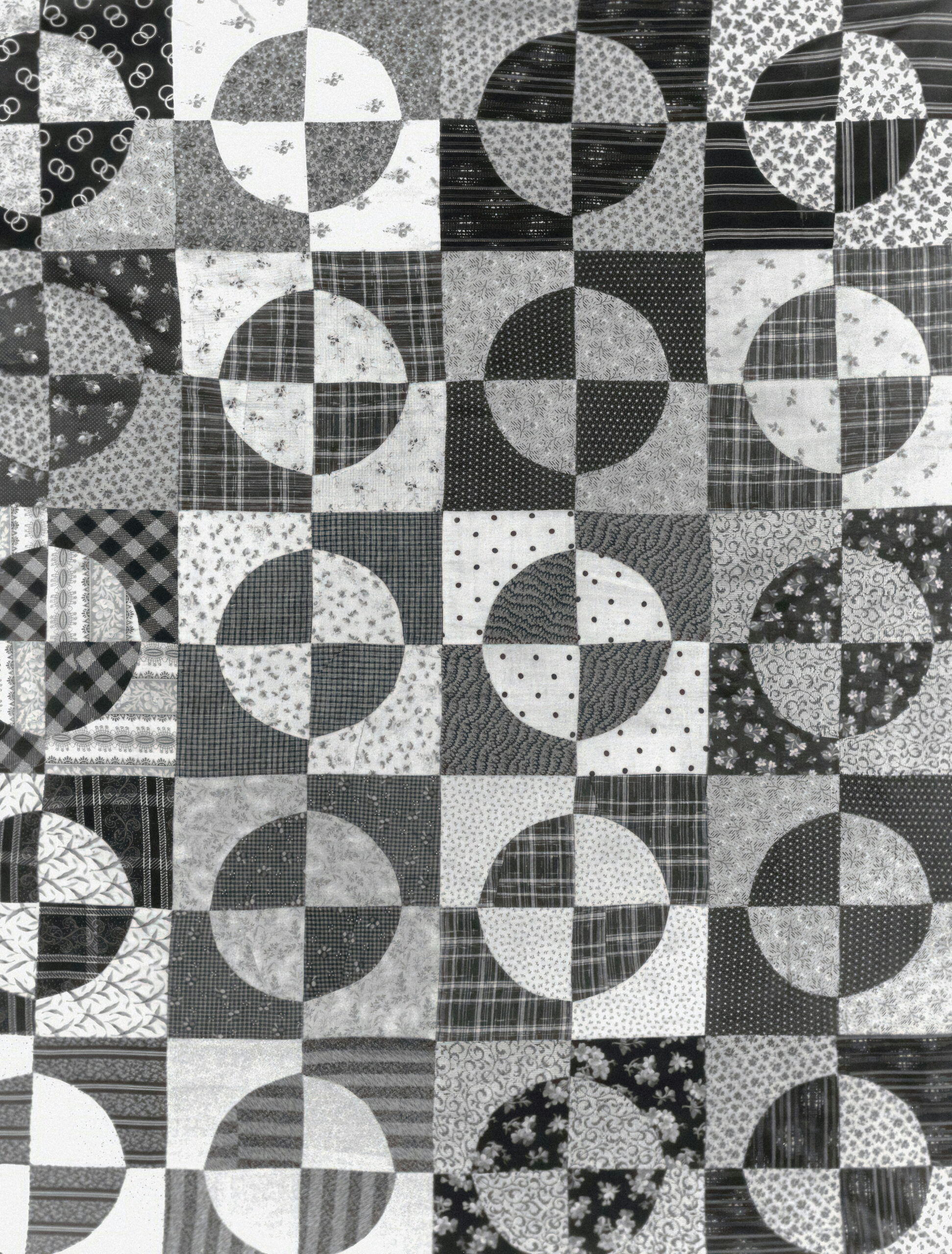
- Traditional (log cabin, nine-patch, flying geese)
- Modern (asymmetrical layouts, bold negative space)
- Improvisation (free-form piecing, organic shapes)
Learning to view patterns as flexible tools rather than fixed rules facilitates creative growth.
Starting with Traditional Patterns
Traditional quilt patterns are an excellent place to begin exploring creativity. Familiar block structures allow you to experiment safely.
Ways to add creativity:
- Change the color palette
- Play with scale by enlarging or shrinking blocks
- Rotate blocks for new visual movement
- Mix fabrics with different textures
Even small changes can make a well-known pattern feel entirely new.
Playing with Color and Contrast
Color is one of the most powerful tools in creative quilting. The same pattern can look dramatically different depending on fabric choices.
Try experimenting with:
- High contrast vs. low contrast fabrics
- Limited color palettes
- Scrappy designs using fabric leftovers
- Unexpected color combinations
Trusting your instincts—and allowing yourself to experiment—builds confidence and creativity.
Embracing Modern and Improvisational Quilting

Modern and improvisational quilting styles encourage quilters to break away from strict measurements and symmetry.
These approaches often include:
- Uneven or wonky blocks
- Asymmetrical layouts
- Minimalist designs with bold impact
- Organic shapes and curves
For learners, these styles can be freeing. Mistakes become design choices, and exploration becomes part of the pattern.
Combining Multiple Patterns
Creative quilts don’t always rely on a single pattern. Mixing block styles within one quilt adds visual interest and storytelling.
Consider:
- Alternating different blocks in rows
- Combining simple blocks with more detailed ones
- Using a unifying color palette to tie everything together
This approach allows you to practice multiple skills while creating a cohesive project.
Learning Through Pattern Exploration
Trying new patterns—especially ones slightly outside your comfort zone—is one of the best ways to grow as a quilter.
Pattern exploration helps you:
- Improve piecing accuracy
- Understand construction techniques
- Develop design confidence
- Learn what styles you truly enjoy
Progress comes not from perfection, but from curiosity and repetition.
Letting Go of Perfection
Creative pattern exploration requires patience and openness. Seams may not align perfectly, and blocks may vary slightly—and that’s okay.
Quilts are meant to be used, loved, and lived with. Their beauty often lies in their individuality, not their precision.
Final Thoughts
Exploring creative patterns in quilting projects is an invitation to learn, play, and grow. Whether you’re experimenting with color, mixing patterns, or trying improvisational techniques, every project teaches something new.
At LearningWithEverySeam, creativity is welcomed at every stage. Each quilt is a reflection of learning in progress—stitched together with patience, curiosity, and joy.
Every pattern is a possibility. Every seam is a lesson.
Leave a Reply