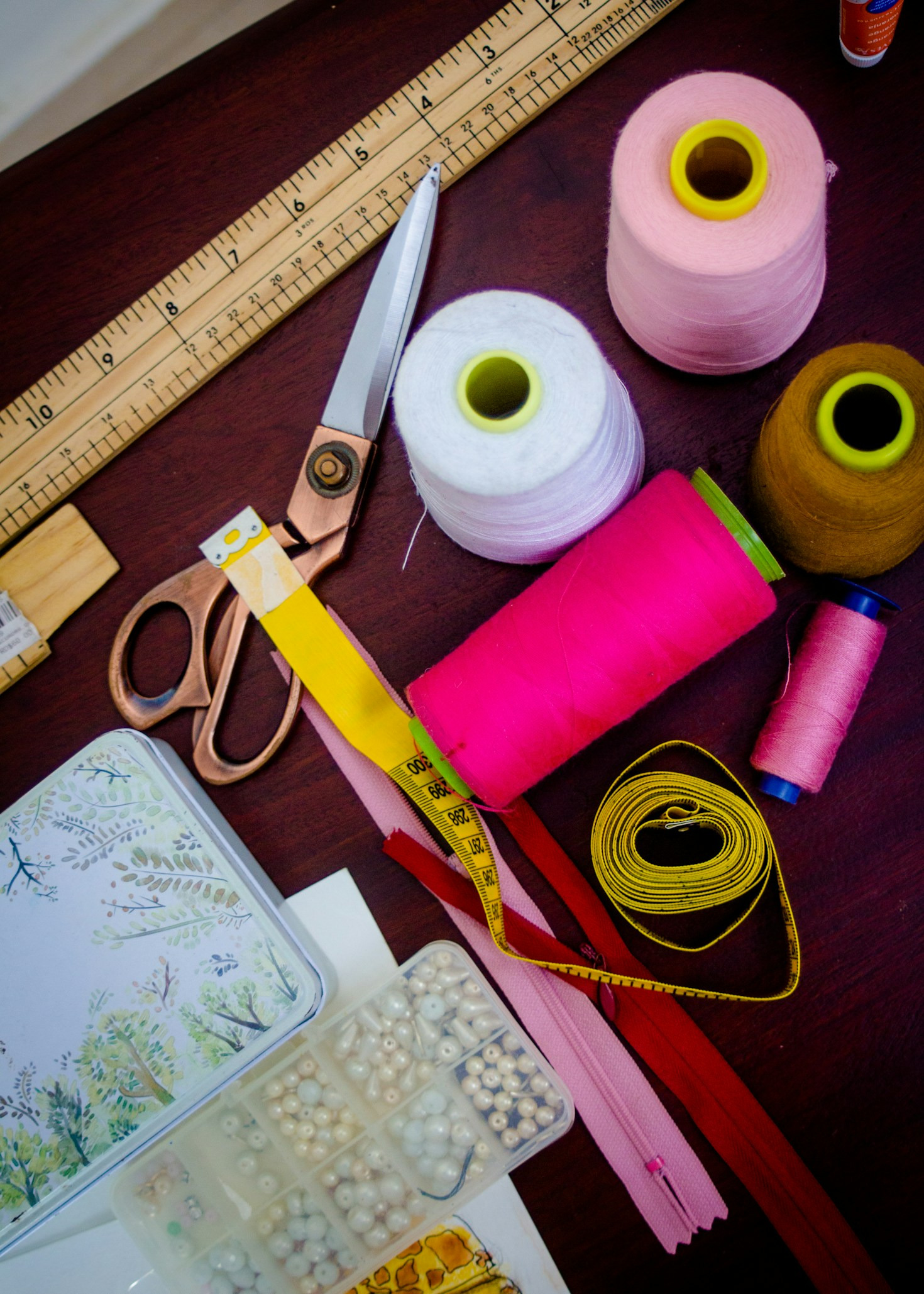
Starting to sew can feel both exciting and intimidating. There are tools to learn, techniques to practice, and plenty of unfamiliar terms along the way. For many beginners, the biggest challenge isn’t threading a needle or sewing a straight seam—it’s believing they can learn.
Starting Where You Are
Every sewist begins as a beginner. No one starts with perfect seams or flawless projects, even if it looks that way online.
Confidence grows when you:
- Allow yourself to be new
- Accept mistakes as part of learning
- Focus on progress instead of comparison
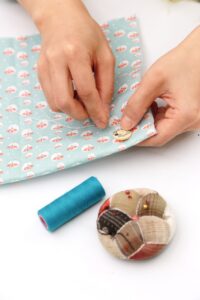 Your first stitches don’t need to be impressive—they just need to exist.
Choosing Beginner-Friendly Projects
Early success plays a huge role in building confidence. Simple projects help you practice skills without feeling overwhelmed.
Great beginner projects include:
- Straight-seam practice pieces
- Pillowcases or table runners
- Simple tote bags
- Basic quilt blocks
Completing small projects reinforces the belief that you can do this.
Learning the Basics Through Repetition
Confidence comes from familiarity. Sewing the same techniques multiple times helps your hands learn what to do before your mind even thinks about it.
Repetition helps you:
- Sew straighter seams
- Control fabric movement
- Understand machine settings
- Develop muscle memory
These small, repeated actions quietly build skill and self-trust.
Embracing Mistakes as Part of the Process
Every sewing mistake holds a lesson—if you’re patient enough to learn from it.
Common beginner mistakes include:
- Uneven seam allowances
- Skipped stitches
- Thread tension issues
- Fabric shifting
Instead of seeing these as failures, view them as proof that you’re practicing. Confidence grows when mistakes no longer feel personal.
Slowing Down Builds Confidence Faster
Rushing often leads to frustration. Slowing down allows you to notice what’s happening with your fabric, machine, and stitches.
Try:
- Sewing at a slower machine speed
- Pausing to check alignment
- Pressing seams carefully
- Taking breaks when frustration builds
Confidence grows when sewing feels manageable rather than rushed.
Creating a Supportive Learning Environment
Your sewing space doesn’t need to be perfect—but it should feel encouraging.
A supportive environment includes:
- Good lighting
- Organized tools
- Realistic expectations
- Encouraging voices (including your own)
Learning is easier when your space feels safe and welcoming.
Tracking Progress, Not Perfection
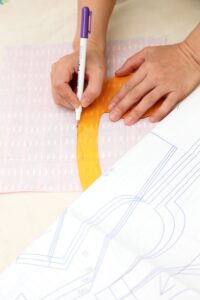
Looking back at early projects can be one of the most confidence-boosting experiences.
Ways to track progress:
- Take photos of finished projects
- Keep fabric scraps from early practice
- Write notes about what you learned
- Reflect on improvements over time
Confidence grows when you can see how far you’ve come.
Sewing Confidence Grows Beyond the Machine
As confidence builds in sewing, it often carries into other areas of life. Learning a new skill teaches patience, resilience, and self-trust.
Each completed seam is a reminder: learning takes time—and you are capable of more than you think.
Final Thoughts
Sewing for beginners isn’t about mastering everything at once. It’s about showing up, practicing, and allowing confidence to grow naturally.
At LearningWithEverySeam, every stitch matters—especially the early ones.
Confidence isn’t sewn in a day. It’s built one stitch at a time.
Leave a Reply