
A temperature quilt is a creative quilting project that visually represents temperature data over a set period—most commonly a year. Each day’s temperature is recorded and translated into a fabric color, which is then sewn into a quilt block, row, or strip. Over time, the quilt becomes a stitched record of weather, seasons, and memories.
For beginners and experienced quilters alike, temperature quilts offer a meaningful way to combine creativity, routine, and storytelling. They’re also an excellent example of learning through consistency—one seam at a time.
How a Temperature Quilt Works
While every temperature quilt is unique, the basic idea is the same:
- Choose a time period (usually one year)
- Track the daily temperature
- Assign a fabric color to temperature ranges
- Sew one piece per day
- Assemble the pieces into a finished quilt
By the end of the project, the quilt reflects seasonal shifts—from cold winter tones to warm summer hues.
 Choosing the Temperature Data
One of the first decisions is which temperature to track. Quilters often choose:
- Daily high temperature
- Daily low temperature
- Daily average temperature
Most people use data from their local weather station, but some choose a meaningful location such as a hometown, vacation spot, or place tied to a special year.
Creating a Color Scale
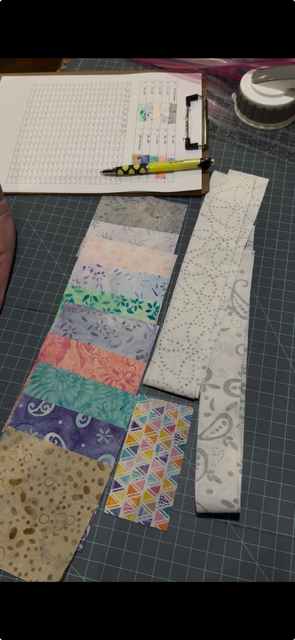
The color scale is what gives a temperature quilt its visual impact. Each temperature range is assigned a specific fabric color.
For example:
- Below freezing: deep blues or purples
- Cool temperatures: light blues or greens
- Mild temperatures: yellows
- Warm temperatures: oranges or reds
Color choices are entirely personal and can be bold, subtle, modern, or traditional.
Quilt Layout Options
Temperature quilts can be constructed in many different ways, depending on skill level and preference.
Common layouts include:
- One row per month
- One block per day
- Strips sewn in chronological order
- Log cabin–style blocks
Beginners often choose simple strip or block designs to keep the focus on consistency rather than complexity.
Why Temperature Quilts Are So Popular
Temperature quilts have become popular for their blend of structure and creativity.
They offer:
- A manageable daily sewing habit
- A clear sense of progress
- A personal connection to time and place
- A finished quilt filled with memories
They’re also forgiving projects—small daily pieces mean mistakes are easy to fix, and learning happens naturally.
Is a Temperature Quilt Beginner-Friendly?
Yes—temperature quilts are well-suited for beginners. The repetitive nature helps build confidence and sewing skills over time.
Beginners benefit from:
- Practicing consistent seams
- Learning fabric organization
- Building a regular sewing routine
- Watching skills improve gradually
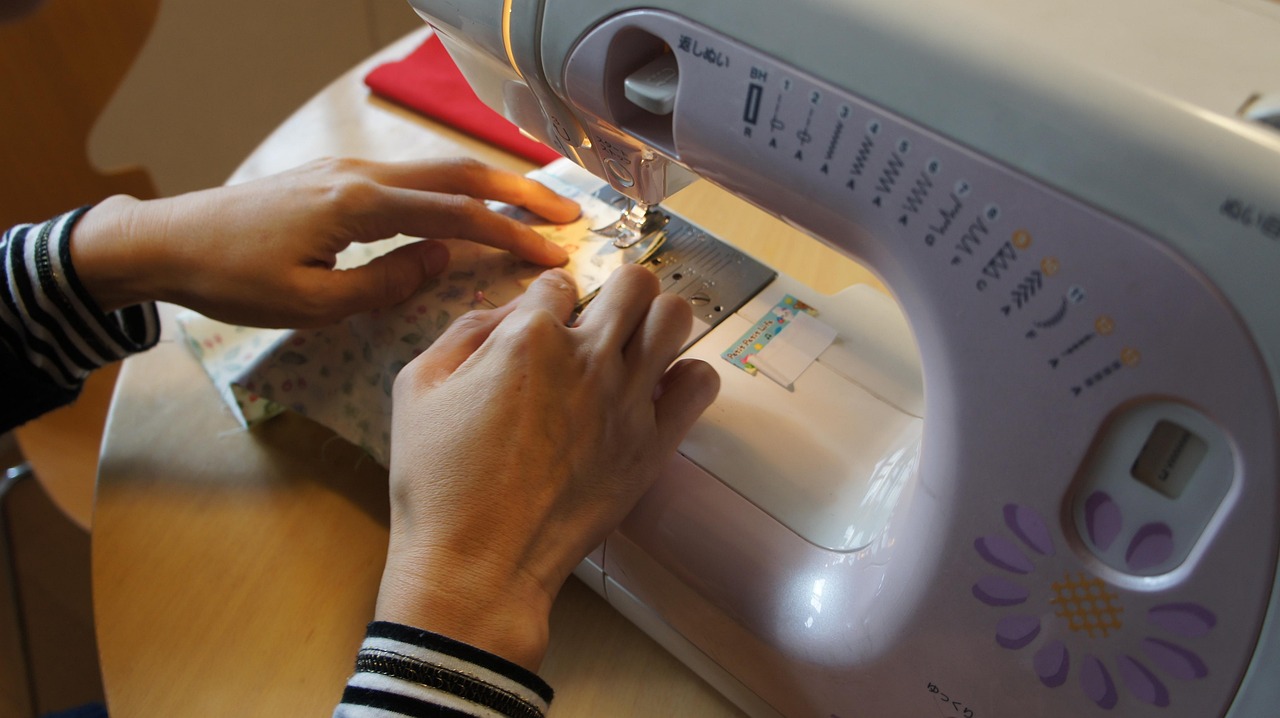 The key is to choose a simple pattern and maintain flexibility as you learn.
Making It Your Own
There’s no single “right” way to make a temperature quilt. Some quilters add:
- Special fabrics for holidays or milestones
- Embroidery or labels with dates
- Multiple rows for high and low temperatures
- Borders that reflect the year’s theme
The quilt becomes not just a weather record, but a personal story stitched in fabric.
Final Thoughts
A temperature quilt is more than a creative project—it’s a record of time, learning, and daily presence. Each stitch represents a moment that might otherwise be forgotten.
At LearningWithEverySeam, temperature quilts embody the heart of learning slowly and intentionally. One day. One color. One seam at a time.
Leave a Reply